
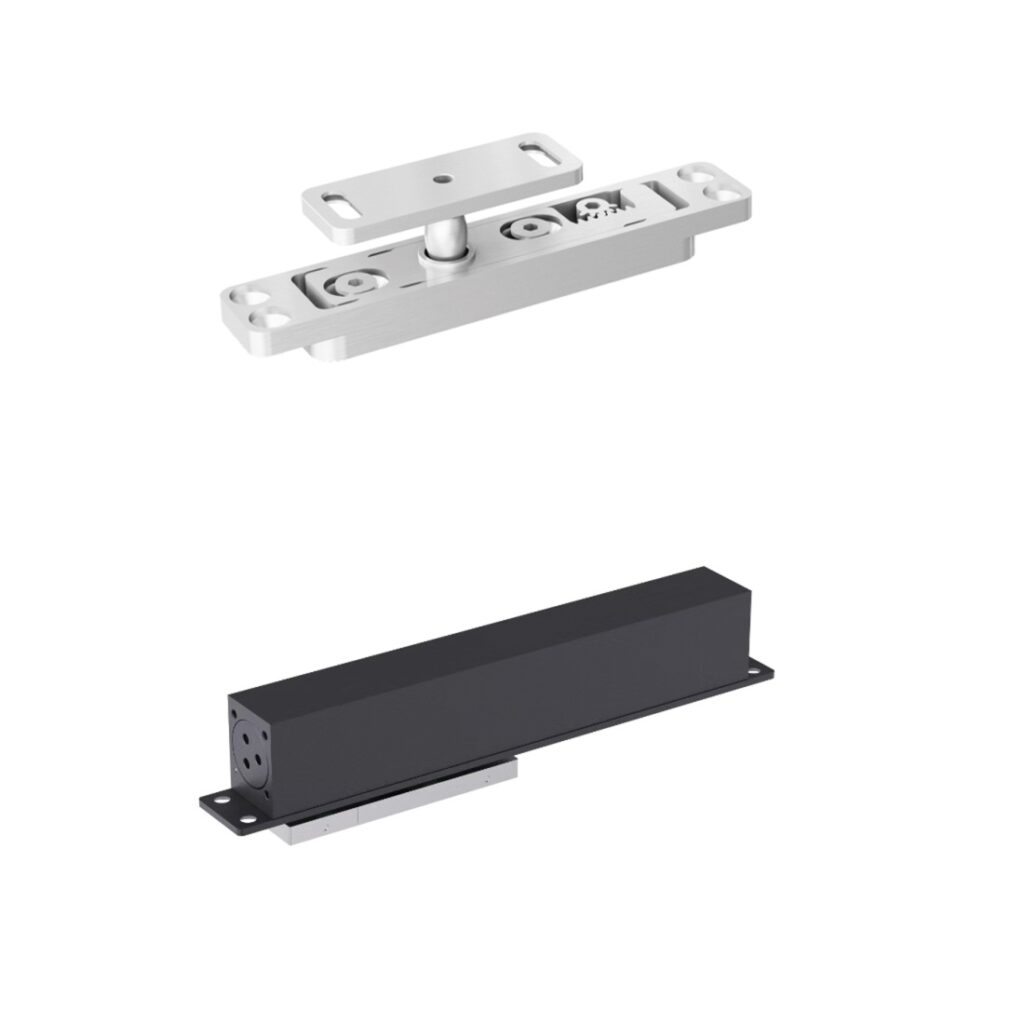
Why Choose Hydraulic Pivot Hinges Rather Than Floor Springs in 2026?
Door hardware has evolved significantly over the past decade. Architects, builders and property owners are no longer merely interested in the functional aspects of their projects. They also seek clean aesthetics, improved durability, maintenance, and user experience. This has made many modern projects turn away from the conventional floor spring system and opt for hydraulic pivot hinges.
Both solutions are aimed at regulating door movements. Both enable controlled opening and closing of doors. But, how they do this is quite different. The differences have grown more significant as the architectural sensibilities have increasingly turned to bigger doors, less cluttered interiors and hidden hardware.
Hydraulic pivot hinges are becoming a popular choice for residential, commercial, and hospitality projects in 2026. They have a number of practical benefits over traditional floor spring systems. From easier installation to improved aesthetics and reduced maintenance requirements, they provide benefits that appeal to both installers and end users.
Understanding Floor Springs
The floor spring has been in use for a long time in commercial buildings, shopping centres, hotels, and office entrances. A floor spring is added below the floor surface. It is powered by a spring and hydraulic mechanism contained within a metal box buried in the ground.
When a door is opened, the spring stores energy. As the door closes, the stored energy returns the door to its closed position. Hydraulic controls help regulate the closing speed and prevent slamming.
Although floor springs have a proven track record, they have some drawbacks. The installation may be complicated since the floor needs to be cut or prepared to receive the floor spring box. Maintenance and replacement can also be challenging since the mechanism is hidden beneath the floor.
Understanding Hydraulic Pivot Hinges
Hydraulic pivot hinges are an integrated mechanism that incorporates the actions of a pivot system and a door closer. The hydraulic components are not placed under the floor, but all of them are made into the hinge system.
This design enables the door to turn smoothly and have controlled closing action. The hydraulic mechanism controls the opening and closing of the door.
The system is integrated into the hinge meaning no floor cavity or concealed floor box is required. This makes installation easier and helps to avoid some of the common problems that are linked to regular floor springs.
Hydraulic pivot hinges are a popular choice when durability, ease of use and a smoother, more streamlined look are all desired features of an architectural design.
Cleaner and More Modern Appearance
Aesthetics is one of the primary reasons why people often opt for hydraulic pivot hinges.
Clean lines and uncluttered spaces are important aspects of modern architecture. Designers prefer hardware that fits in seamlessly into the design, not so much as to call attention to itself.
Floor springs must have an exposed floor plate. These plates can be a problem when it comes to the visual flow of flooring materials, even though they look quite small. In luxury projects, even the smallest parts that can be seen can impact the overall look.
Hydraulic pivot hinges offer a cleaner solution. This mechanism is built into the hinge system, which means there is little hardware to be seen. This creates a more refined and seamless look.
This is a significant factor in the case of luxury residential projects, luxury hotels, designer offices, and modern retail projects.
Easier Installation Process
Another aspect where hydraulic pivot hinges have a definite edge is installation complexity.
Preparing the floor properly is the key to installing a floor spring. A hole must be cut or sunk in the floor for the spring box. The precise adjustment is critical as it will have an impact on the door’s performance if it’s set off by a few millimeters.
This can add to the cost of labor and the time required for installation.
Much of this complexity is avoided with hydraulic pivot hinges. The mechanism is built into the hinge assembly, which means less structural modification for installation. Installers can finish the project in a more efficient manner and minimize the risk of alignment problems.
This benefit is especially useful in renovation scenarios where a change of flooring may be costly and disruptive.
Reduced Maintenance Requirements
Maintenance is an issue with any door control system.
Floor springs are used in a setting where they are subject to dust, moisture, dirt, and cleaning solutions. With time, these factors can add to wear and decrease performance.
A floor spring with issues may be difficult to reach because the mechanism is embedded in the floor. Removal of floor covers may be necessary or other adjacent finishes may need to be disturbed.
Generally, a hydraulic pivot hinge is more easily accessed and serviced. The mechanism is integrated into the hinge assembly, which means less disruption to inspect and maintain the mechanism.
This can help to minimize downtime and reduce long term maintenance costs.
Better Protection Against Water and Dirt
One of the major problems for floor springs is environmental exposure.
Damage to internal components can be caused by water penetration. Particles can settle on moving components, floor plates, etc. This can be especially evident in high-traffic areas.
Hydraulic pivot hinges are located away from the direct contact with the floor. Therefore, they are less susceptible to many of the contaminants which can impact floor mounted systems.
This can help to maintain performance consistency over time.
Improved User Experience
User satisfaction is greatly affected by the quality of door movement.
If a door closes too fast, slams or has some instability while opening or closing, people notice. They also recognize when a door glides easily and in a regular pattern.
Today’s pivot hinges are designed to allow for controlled movement for the entire opening and closing cycle. In most systems, there are several steps of adjustment that enable installers to finely tune closing speed and door behavior.
This makes the operation smoother and quieter for the user.
It is especially beneficial in offices, hotels, hospitals and high-end residential buildings where comfort is an important factor.
Better Compatibility with Contemporary Door Designs
In recent years, many changes have been made in door designs.
Big pivot doors have been getting more popular. Oversized timber, aluminium, glass and steel doors are commonly used by architects to create larger openings and contemporary interior designs.
The hardware for these doors has to be strong enough to hold a considerable amount of weight and still operate smoothly.
Often, hydraulic pivot hinges can work better with these modern door designs as they provide structural support and control of movement in a single system.
They are also very popular for use in contemporary architecture due to their capacity for larger and heavier doors.
Enhanced Safty Features
Safety is another reason why many professionals are turning towards the use of hydraulic pivot hinges.
Controlled closing action helps to minimize the risk of unexpected closing. This can help prevent injuries and minimize wear on the door and frame.
Many hydraulic systems also provide adjustable closing speeds. This enables installers to fine-tune the system according to the specific environment and user base.
For areas where children, elderly people or an abundance of people may be present, controlled movement can lead to better overall safety and comfort.
Long term cost advantages
In some cases, floor springs can seem cheaper when you’re first buying them. But total ownership costs should be taken into account too.
Project costs are affected by installation complexity, maintenance needs, ease of repair, long term reliability, etc.
Hydraulic pivot hinges can often deliver better value over the lifespan of the installation. Lower maintenance costs and simpler servicing can counterbalance higher up-front hardware costs.
Lifecycle cost is the most critical consideration for many building owners because it is more important than just the initial cost.
Long term cost advantages
In some cases, floor springs can seem cheaper when you’re first buying them. But total ownership costs should be taken into account too.
Project costs are affected by installation complexity, maintenance needs, ease of repair, long term reliability, etc.
Hydraulic pivot hinges can often deliver better value over the lifespan of the installation. Lower maintenance costs and simpler servicing can counterbalance higher up-front hardware costs.
Lifecycle cost is the most critical consideration for many building owners because it is more important than just the initial cost.
A Modern Example: SH PIVOT D-1068 Heavy-duty Off-axis Hydraulic Actuator
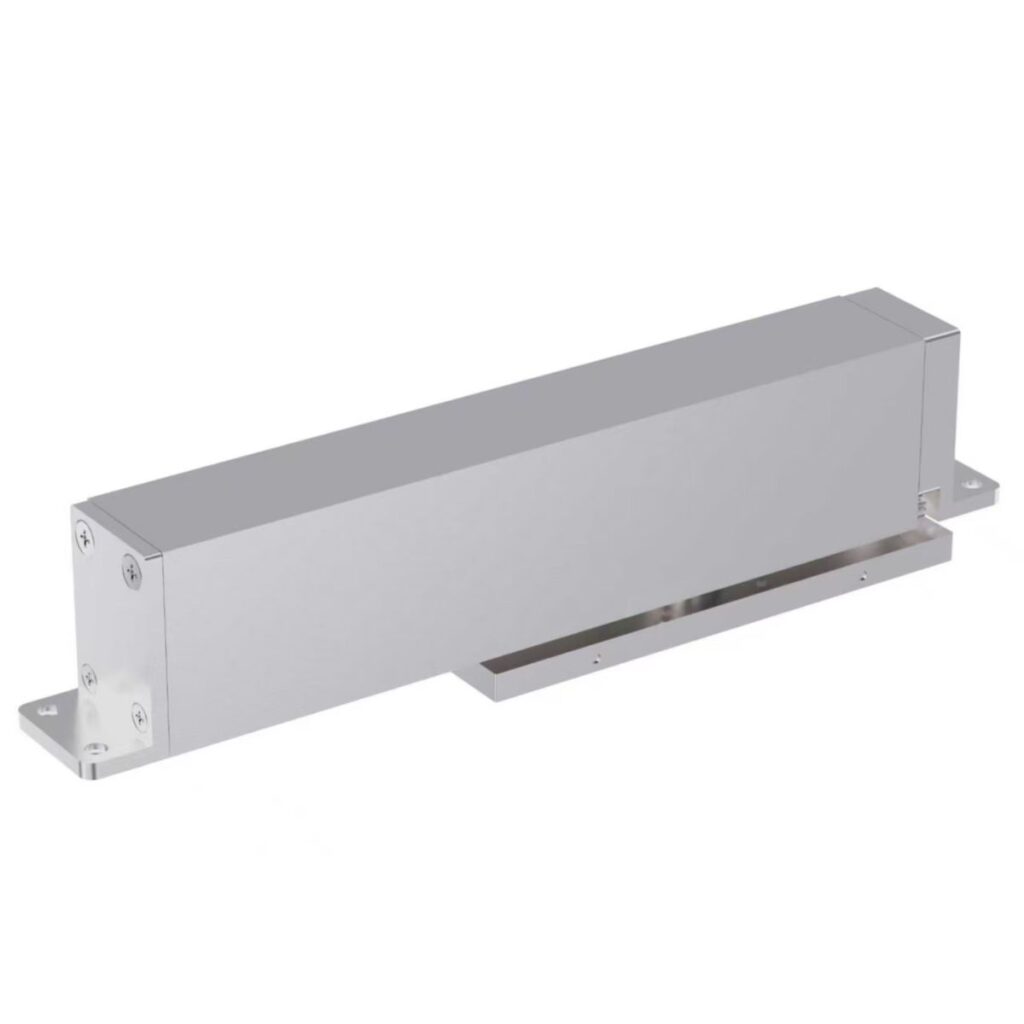
As hydraulic pivot technology continues to evolve, products like the SH PIVOT D-1068 Heavy-duty Off-axis Hydraulic Actuator demonstrate how modern systems are designed to handle larger and heavier doors while maintaining smooth and controlled operation.
The D-1068 series is built from 45# steel and features a forged bearing steel cam shaft with a sealed, waterproof and rust-proof design. It also incorporates two torque regulating valves, giving installers greater control over door movement and closing performance.
The product is available in two models. The D-1068.200 supports doors weighing up to 200kg with a maximum width of 1350mm. For larger applications, the D-1068.300 can accommodate doors weighing up to 300kg with widths up to 1500mm. Both models support bidirectional door opening and closing, making them suitable for a wide range of commercial and architectural projects.
One of the notable features of the system is its two-stage regulating valve control, which allows installers to fine tune the closing speed across different stages of the door’s movement. The actuator also includes a 90-degree auxiliary positioning function and supports door opening angles of up to 125 degrees.
Durability is another important advantage. Both models have passed a 500,000-cycle fatigue test, demonstrating their suitability for demanding, high-traffic environments where long-term reliability is essential.
These features highlight how modern hydraulic pivot systems continue to advance beyond traditional floor spring technology, offering greater control, higher load capacity and improved installation flexibility for contemporary door designs.
Are Floor Springs Becoming Obsolete?
Floor springs are not obsolete. They are still effective in many uses, and are frequently used in the construction industry.
Some glass door installations have remained in use that still use floor spring systems. For some projects, floor springs may even be preferred for existing building conditions or hardware preference.
But, the general picture is evident. Hydraulic pivot hinges are gaining popularity among architects and builders for their appearance, ease of installation, maintenance accessibility, and user experience.
The benefits of hydraulic pivot hinges are increasingly hard to overlook as building designs become more sophisticated.
Final Thoughts
Hydraulic pivot hinges are a great alternative to conventional floor springs in 2026. They provide cleaner aesthetics, simpler installation, improved accessibility for maintenance, and a smoother operating experience.
They also complement the current architectural preferences of simplicity and larger pivot doors.
Although floor springs are still used in some applications, there are many new projects requiring a hydraulic pivot hinge system, which offer practical benefits beyond just door control.
The hydraulic pivot technology is as far advanced as it gets with products like the SH PIVOT D-1068 series. With heavy-duty load capacities of up to 300kg, adjustable hydraulic control, durable steel construction, and 500,000-cycle tested reliability, it reflects the direction in which modern door hardware is moving.
Hydraulic pivot hinges are becoming the better long-term investment for architects, builders and property owners looking around for door hardware in 2026.
